
Hi, I’m Ryota, owner and the only therapist at salon de presso in Jujo, northern Tokyo.
If you’re staying in Jujo, you’ve picked a real neighborhood, not a tourist zone. That also means most guidebooks skip it. So here’s my own list: the places I’d take a friend visiting from abroad, all within easy reach of Jujo Station.
Opening hours change, so please check before you go.
Spots
Oji Inari Shrine: foxes, legends and a hidden den
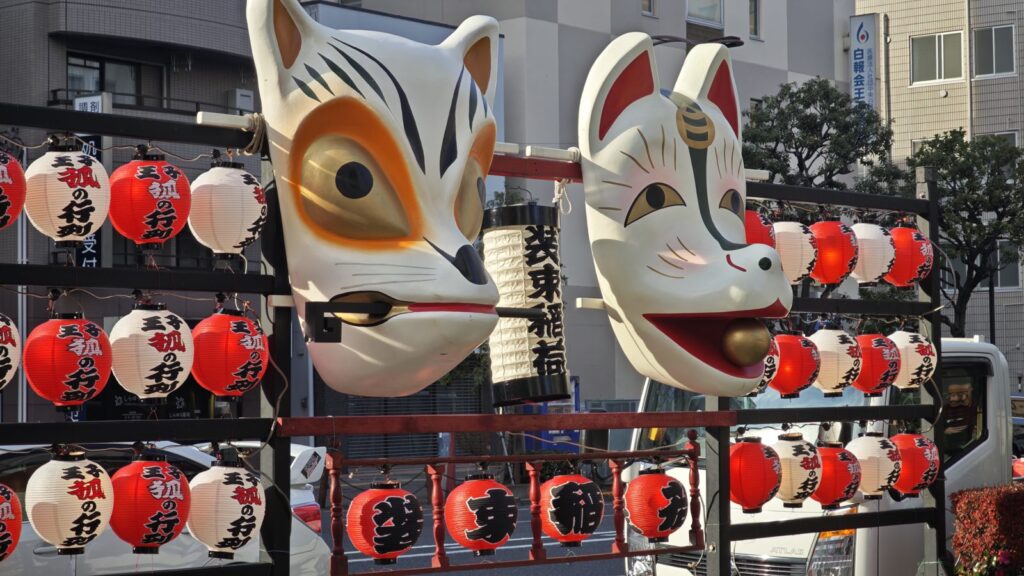
Oji Inari Shrine has long been regarded as the head of the Inari shrines in the Kanto region, and it’s full of fox stories. It’s the setting of the classic rakugo comedy “Oji no Kitsune” (The Fox of Oji), and you’ll find fox statues all around the grounds. Behind the red shrine buildings is a small den where, the story goes, real foxes once lived.
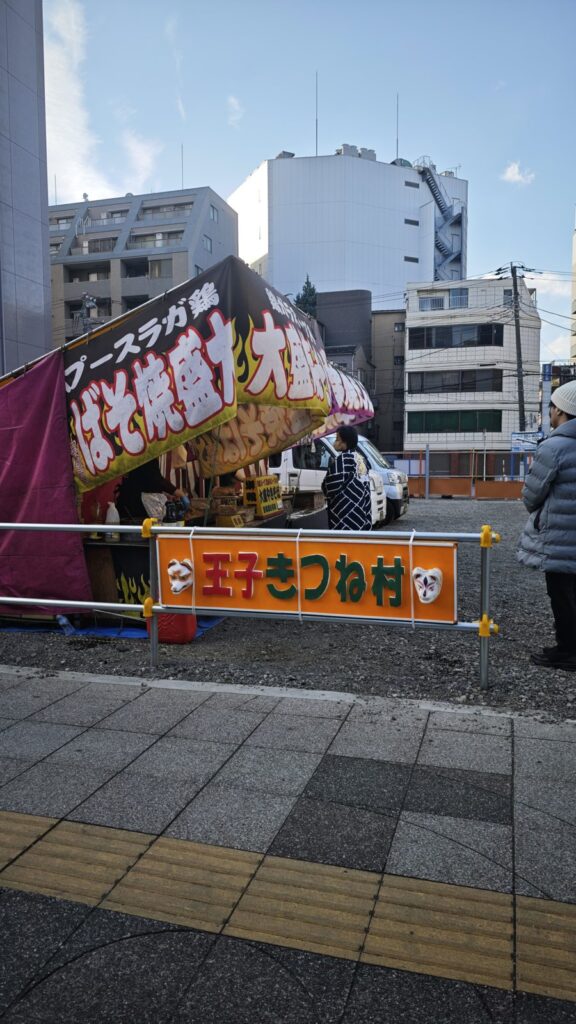
On New Year’s Eve, people in fox masks and costumes parade through the area in the Oji Fox Parade. On the night of the parade, food stalls set up around Oji, so it feels like a winter festival. In February, on the “days of the horse,” the shrine holds a kite market and offers kite-shaped charms said to protect against fire.
- About a 10-minute walk from Oji Station (JR Keihin-Tohoku Line, Tokyo Metro Namboku Line, Toden Arakawa Line)
Otonashi Shinsui Park: a little valley in the middle of the city
Right next to Oji Station, this park follows an old course of the Shakujii River. It recreates the Otonashi valley, a leisure spot people visited back in the Edo period, including a rebuilt waterfall that was one of Oji’s famous seven falls. It’s been selected as one of Japan’s top 100 city parks.
Cherry blossoms in spring, water play in summer, and red maples from mid-November to mid-December make it worth a stop in any season.
- A 1-minute walk from Oji Station
- Free entry. The water area is open 9:00–16:00
Akabane Nature Observation Park: springs, rice paddies and an Edo-era farmhouse you can walk into
Built on part of a former Self-Defense Force site, this park brings back the kind of nature the area used to have: natural springs, a waterfowl pond, a small rice paddy and an acorn forest. It’s quiet, green and rarely crowded.
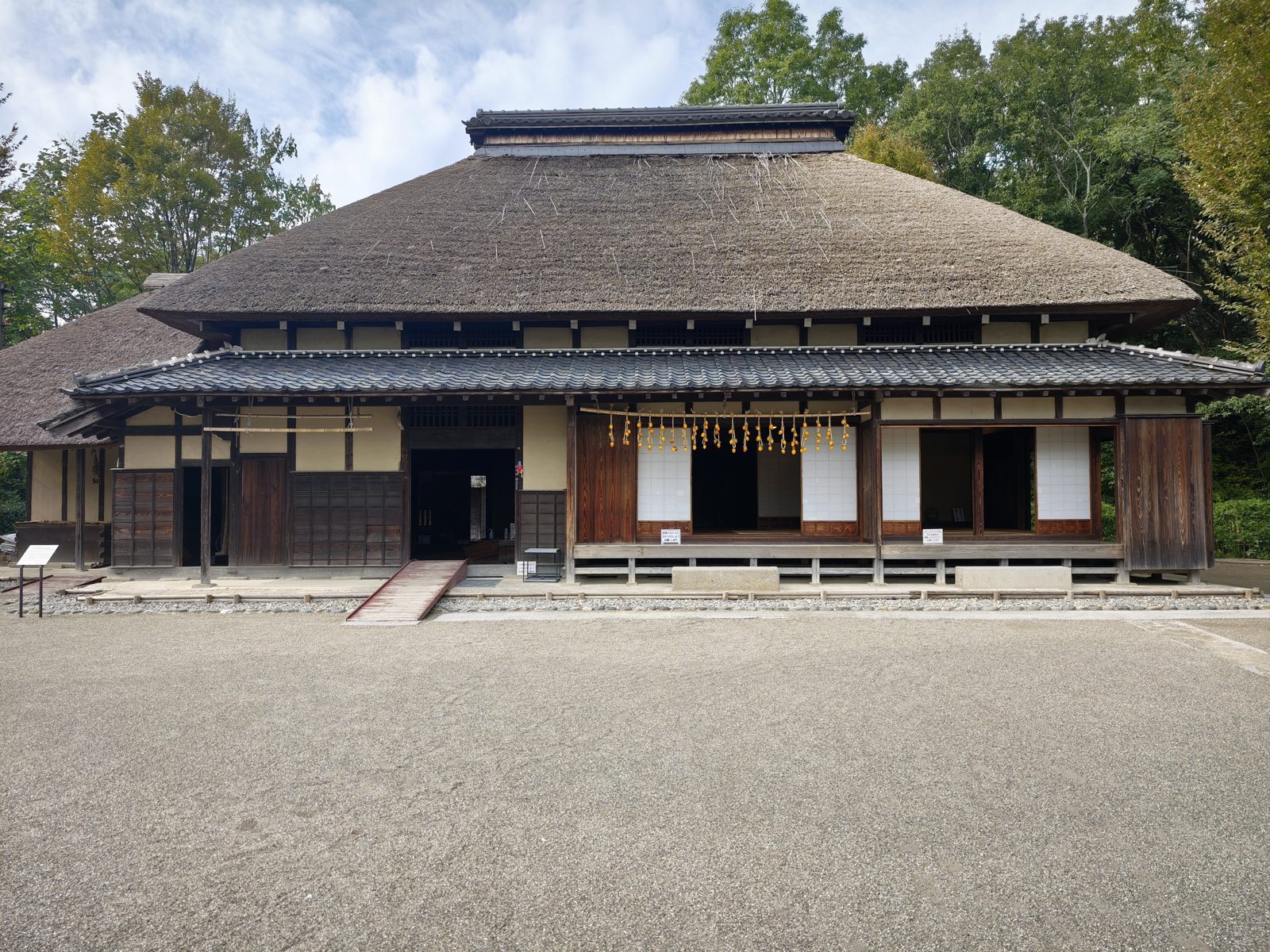
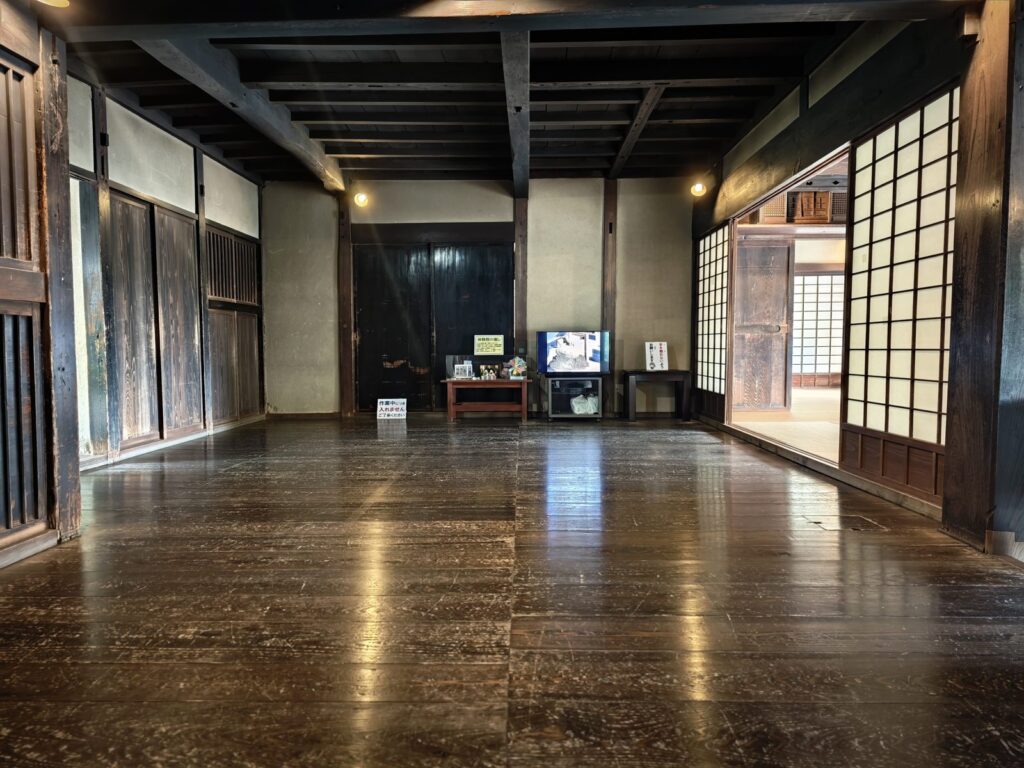
The real surprise is the former Matsuzawa House, a thatched-roof farmhouse built in the late Edo period. It was moved here from the Ukima area and is now a cultural property of Kita City. This isn’t a house you look at from behind a rope. You take off your shoes and step up into the zashiki, the main tatami room. For many visitors from abroad, standing inside a real old Japanese home turns out to be the most memorable part of the day.
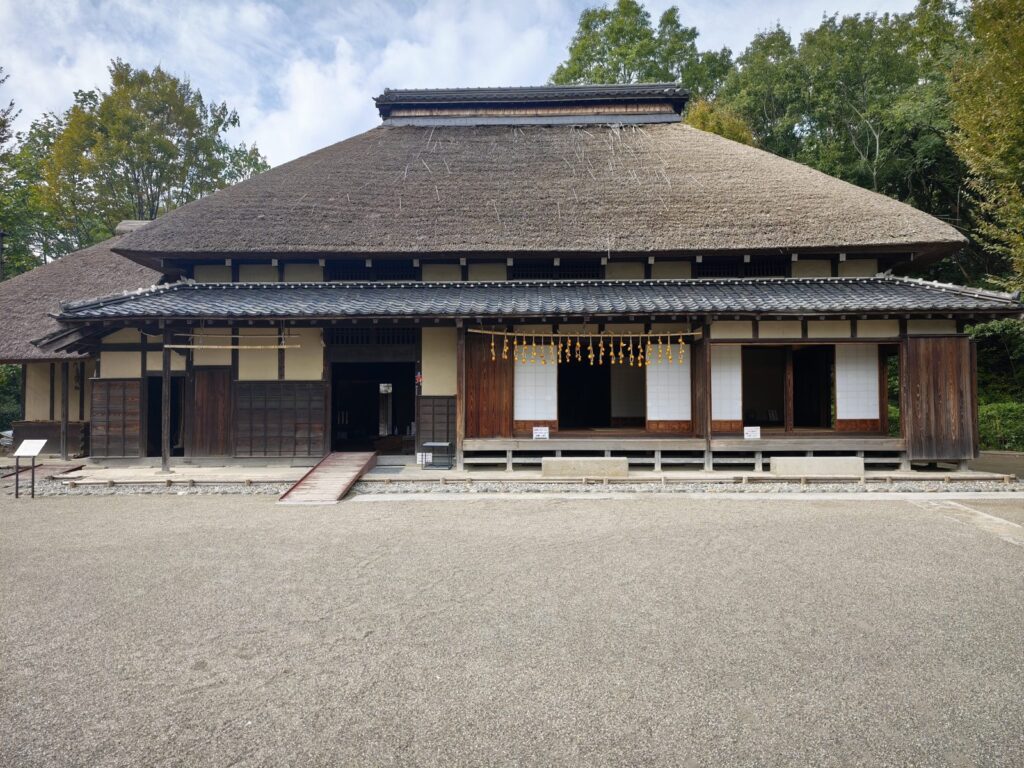
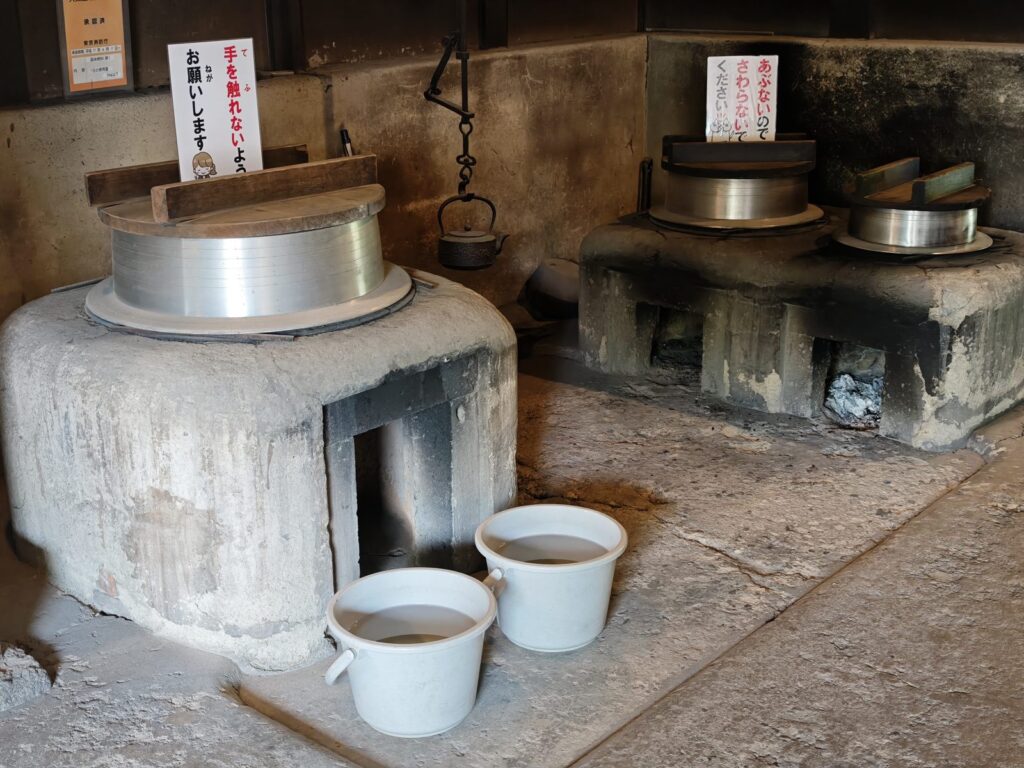
Inside, look for the dark wooden beams and shoji screens, and the old kamado stoves in the earthen-floored kitchen. Please don’t touch the displays.
- Park: free entry, open 8:00–18:00 (shorter hours in winter)
- Matsuzawa House: 9:30–16:30 (until 18:00 in July and August). Open all year, except a few days for maintenance
- About 25 minutes on foot from Akabane Station (West Exit), so a bus or taxi is easier
Food
Jujo Ginza: a street-food walk through a covered shopping street
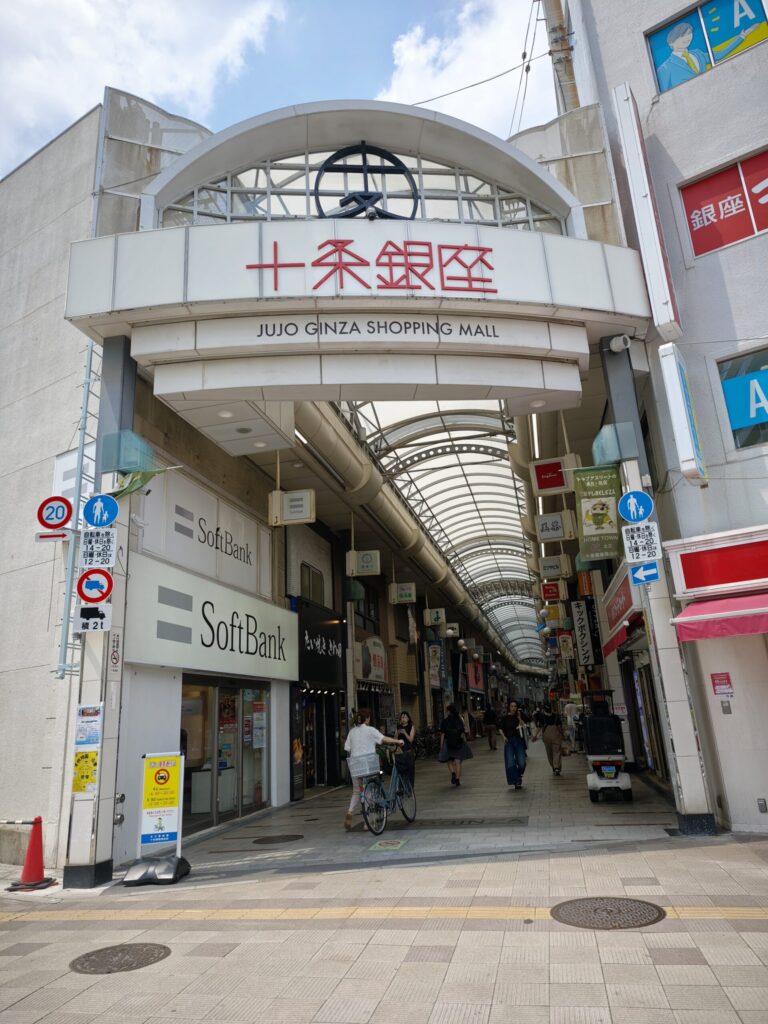
Right outside Jujo Station’s north exit is Jujo Ginza, a covered shopping street about 375 meters long with around 200 shops. Locals call it a paradise for ready-made food (惣菜, sozai). You can snack your way down the street on croquettes, fried chicken balls, shrimp dumplings and burdock tempura, just like the people who live here.
- A 1-minute walk from Jujo Station
- Covered, so it works on rainy days too
Danshaku Sushi: fresh fish, a local counter, and plenty of travelers
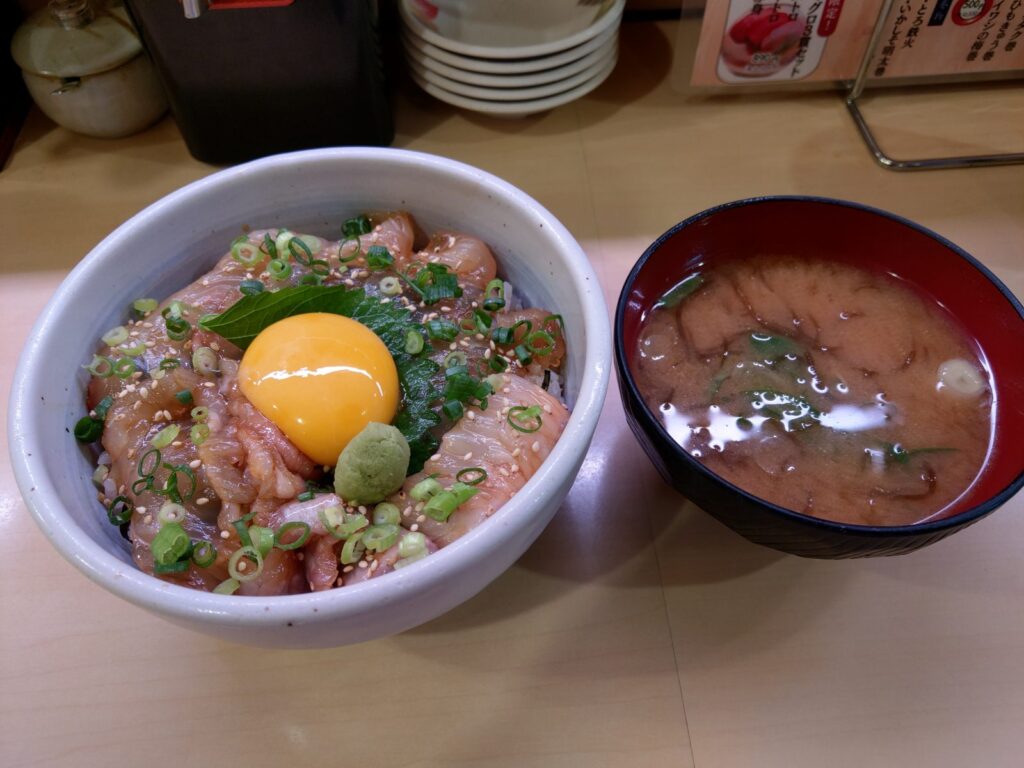
A neighborhood sushi spot that has been running for about 40 years, just a minute from Jujo Station, and already a favorite with visitors from abroad. The seafood comes in fresh from fishing ports. All 22 seats are at the counter, and the chefs make your sushi right in front of you. Prices are friendly, and lunch, including nine kinds of seafood bowls, runs until 17:00.
- 11:00–22:00 (last order 21:30), closed Mondays
- Cards, PayPay and transit IC cards accepted
- Instagram: @danshaku_sushi
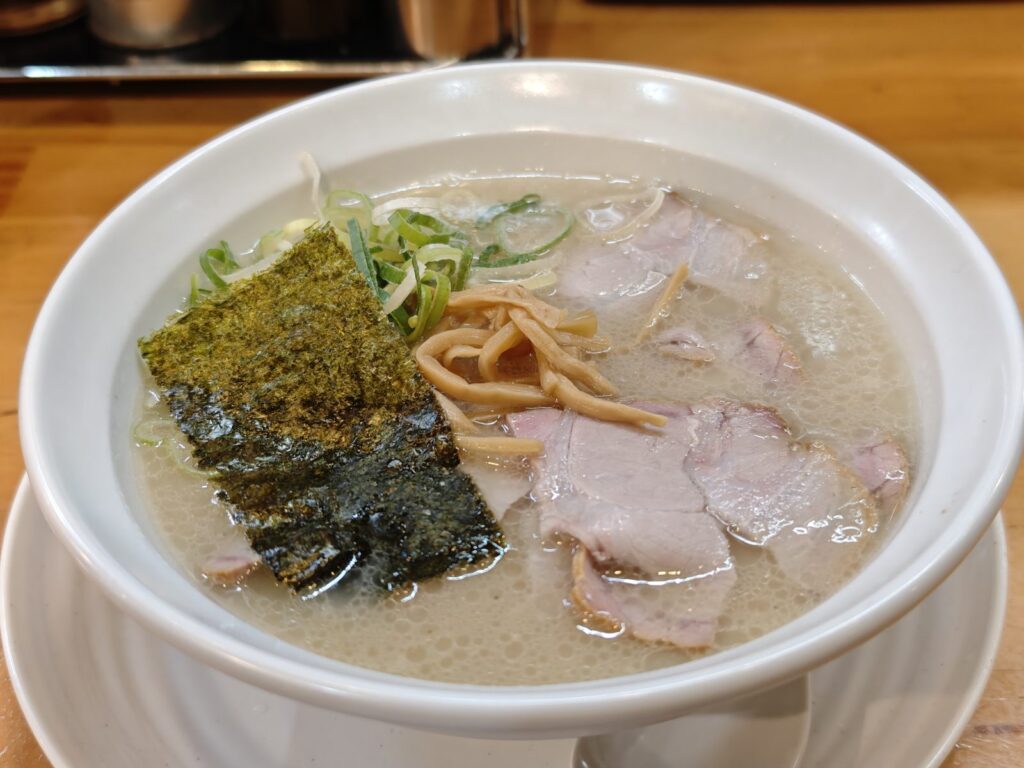
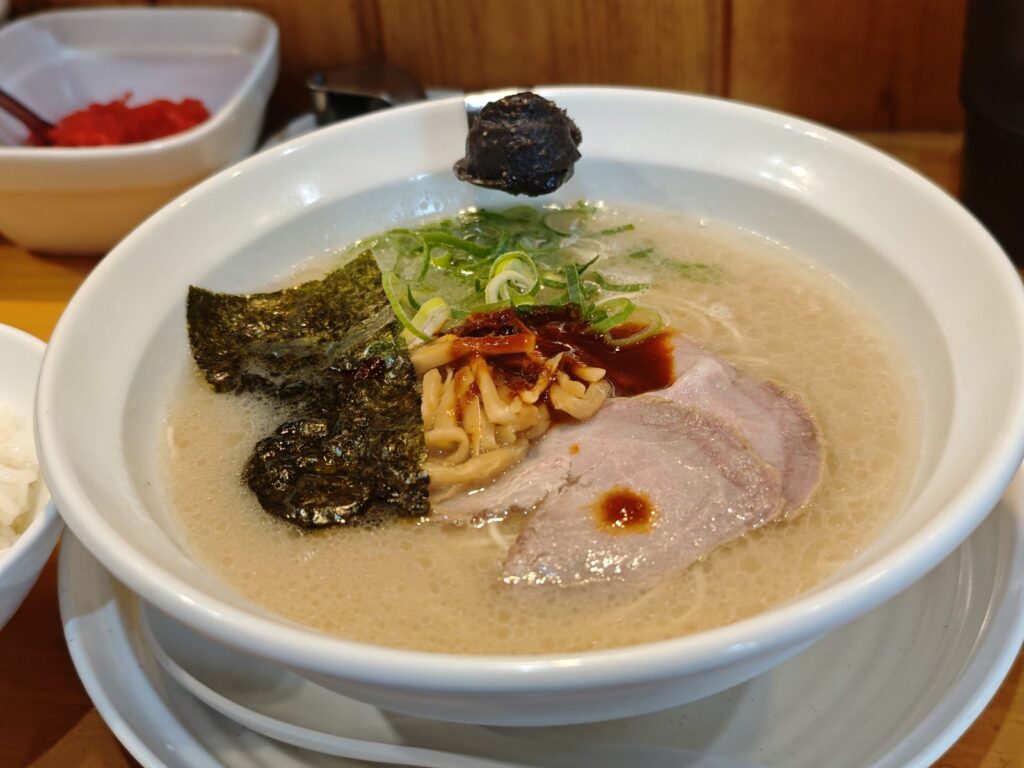
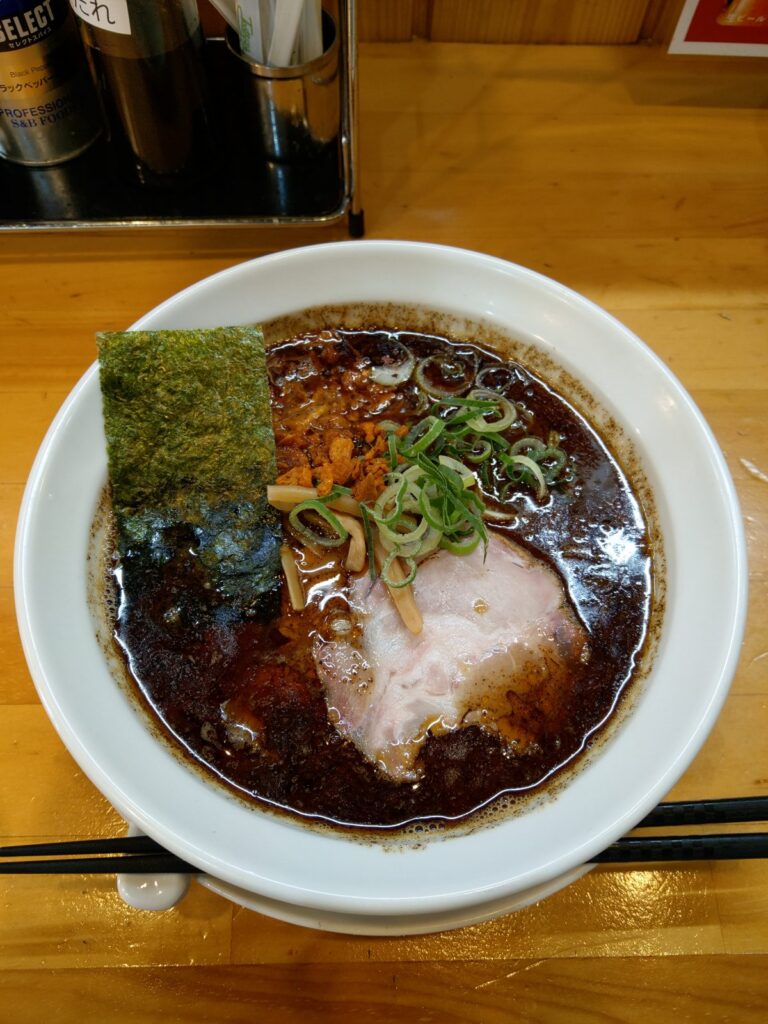
Mendokoro M: the tonkotsu ramen locals actually eat
Most visitors to Tokyo line up at Ichiran. If you want the kind of tonkotsu (pork-bone) ramen that local Japanese people go for, at a friendly neighborhood price, come here instead. The broth is full of rich pork flavor without the heavy smell, served with thin, straight noodles, and you can choose how firm you want them, from very firm to soft.
Go for the classic “pure tonkotsu,” or try the chicken-and-pork blend, the spicy version, or tonkotsu with mā-yu (black garlic oil).
- About a 6-minute walk from Jujo Station
- 11:00–20:00, closed Wednesdays
- Instagram: @mendokoro_m
A simple day in Jujo
- Morning: fresh air and the old farmhouse at Akabane Nature Observation Park
- Lunch: sushi at Danshaku Sushi
- Afternoon: Oji Inari Shrine, then a walk through Otonashi Shinsui Park
- Late afternoon: snacking along Jujo Ginza
- Evening: a massage to reset your legs, then tonkotsu ramen at Mendokoro M (it closes at 20:00, so plan around it)
And when your legs need a break
After a day like that, your feet will know it. salon de presso is an 8-minute walk from Jujo Station, so it’s an easy last stop.
- Dry head spa: no water, your hair stays dry (guide to dry head spa)
- Foot and leg oil: from below the knee to the soles (foot and leg oil guide)
- Tattoos welcome: no covering, no extra charge (more about tattoos and massage)
- Fully private: one room, one therapist, and you stay clothed
Open 10:00–22:00 (last entry 20:00), by appointment. Still looking for a place to stay? See why Jujo is a smart base for Ikebukuro and Shinjuku.
See you in Jujo.
Ryota
salon de presso offers relaxation treatments. They are not medical care. If you have an injury or a medical condition, please talk to a doctor before booking.